The MIssion
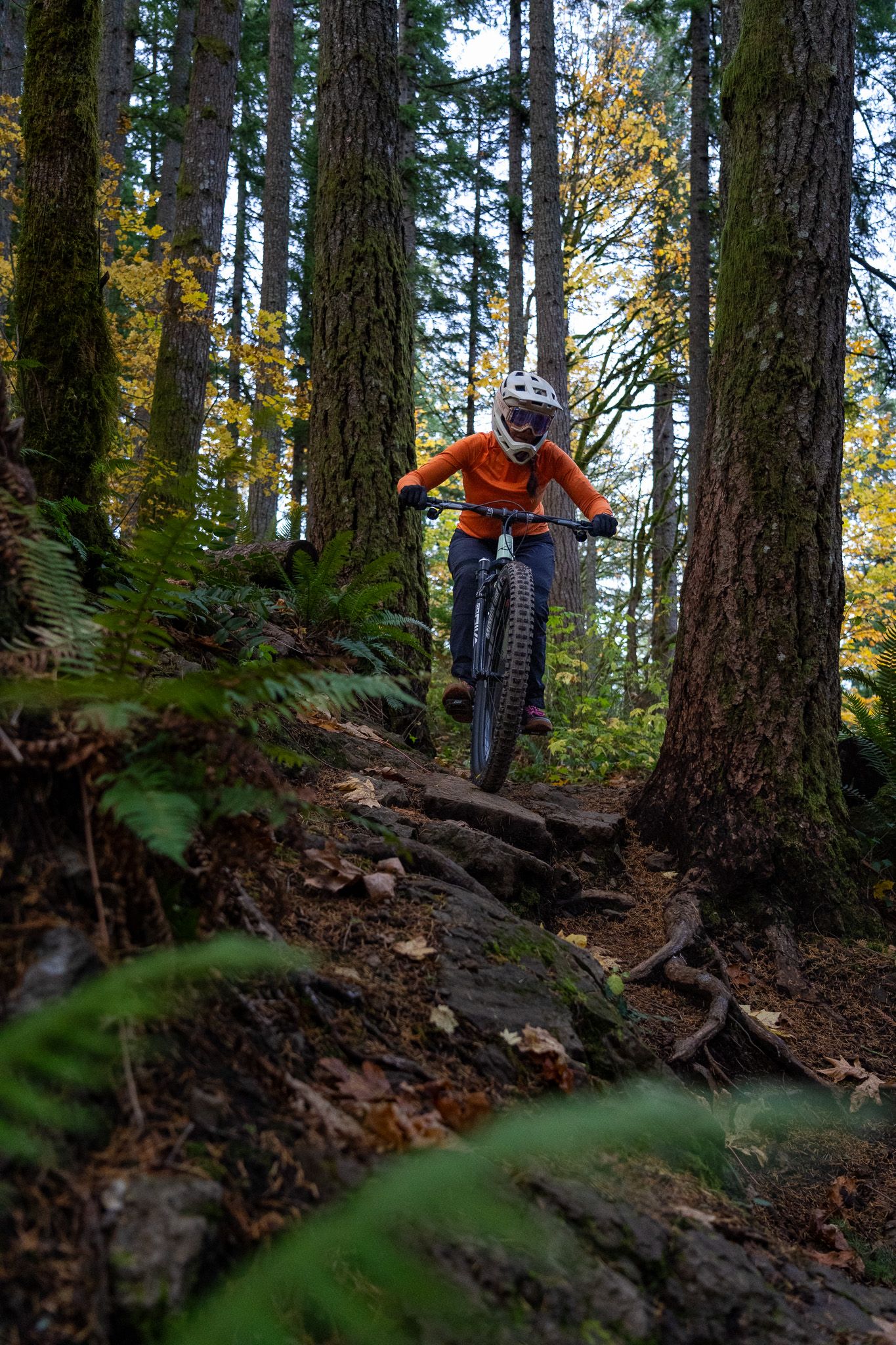
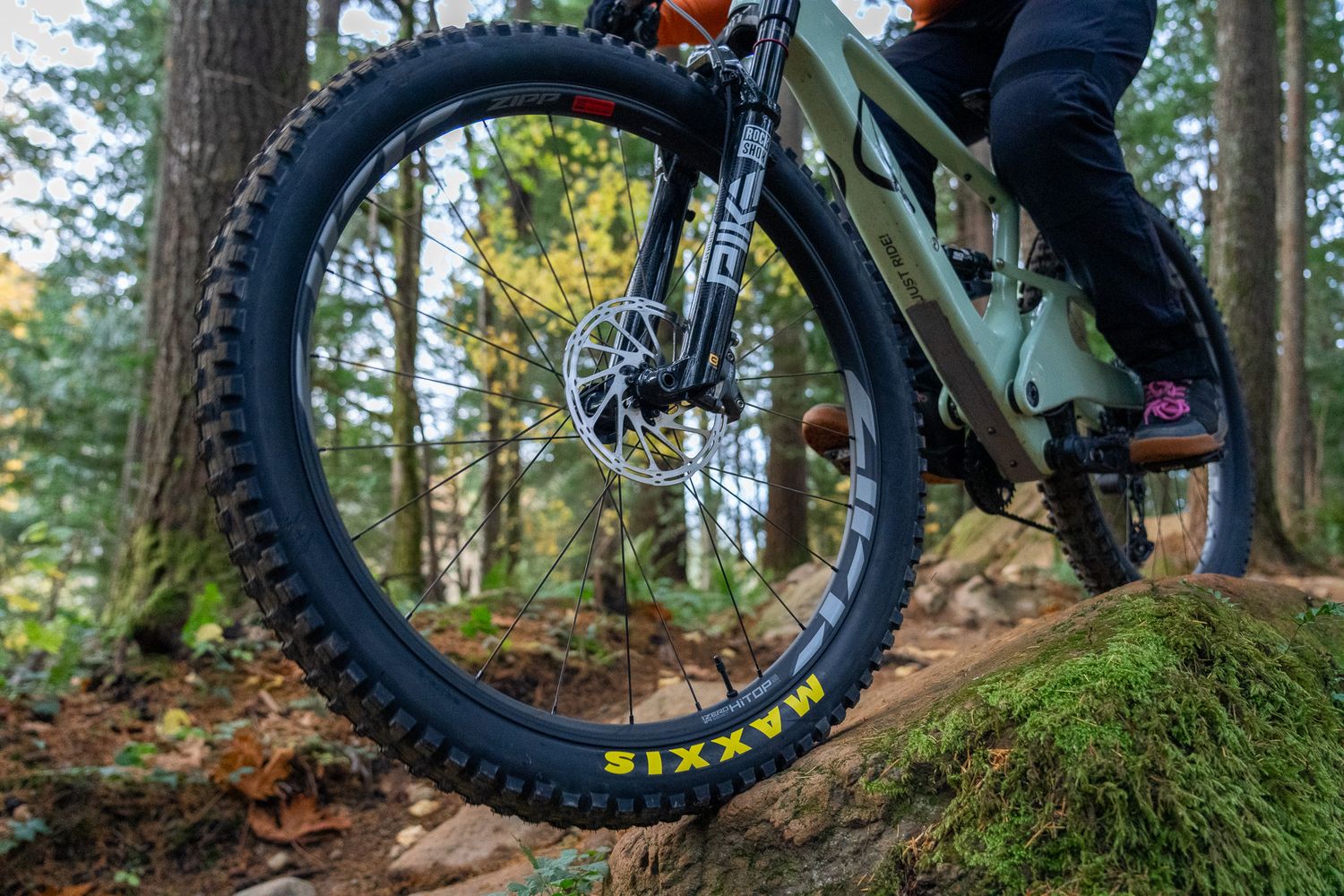
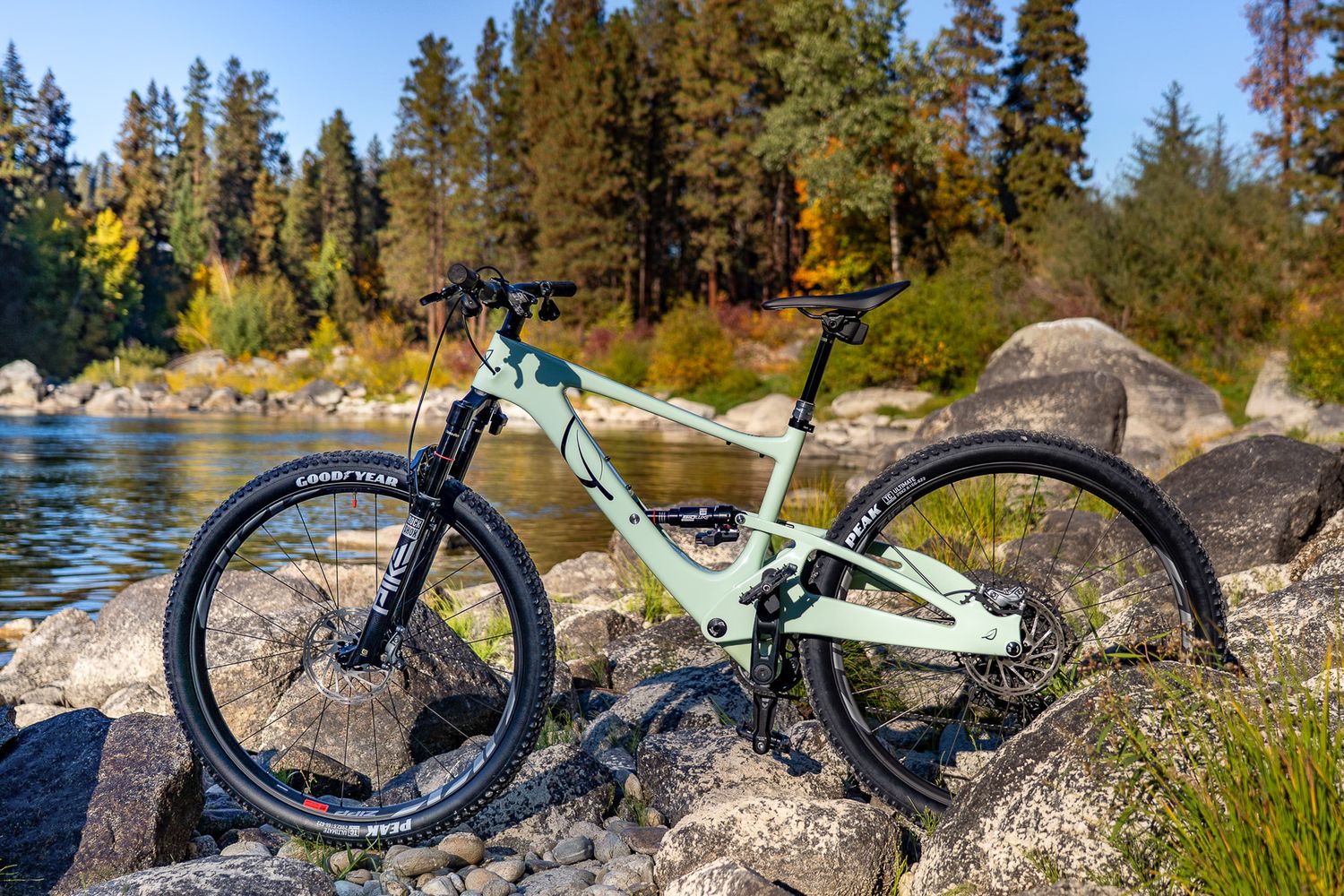
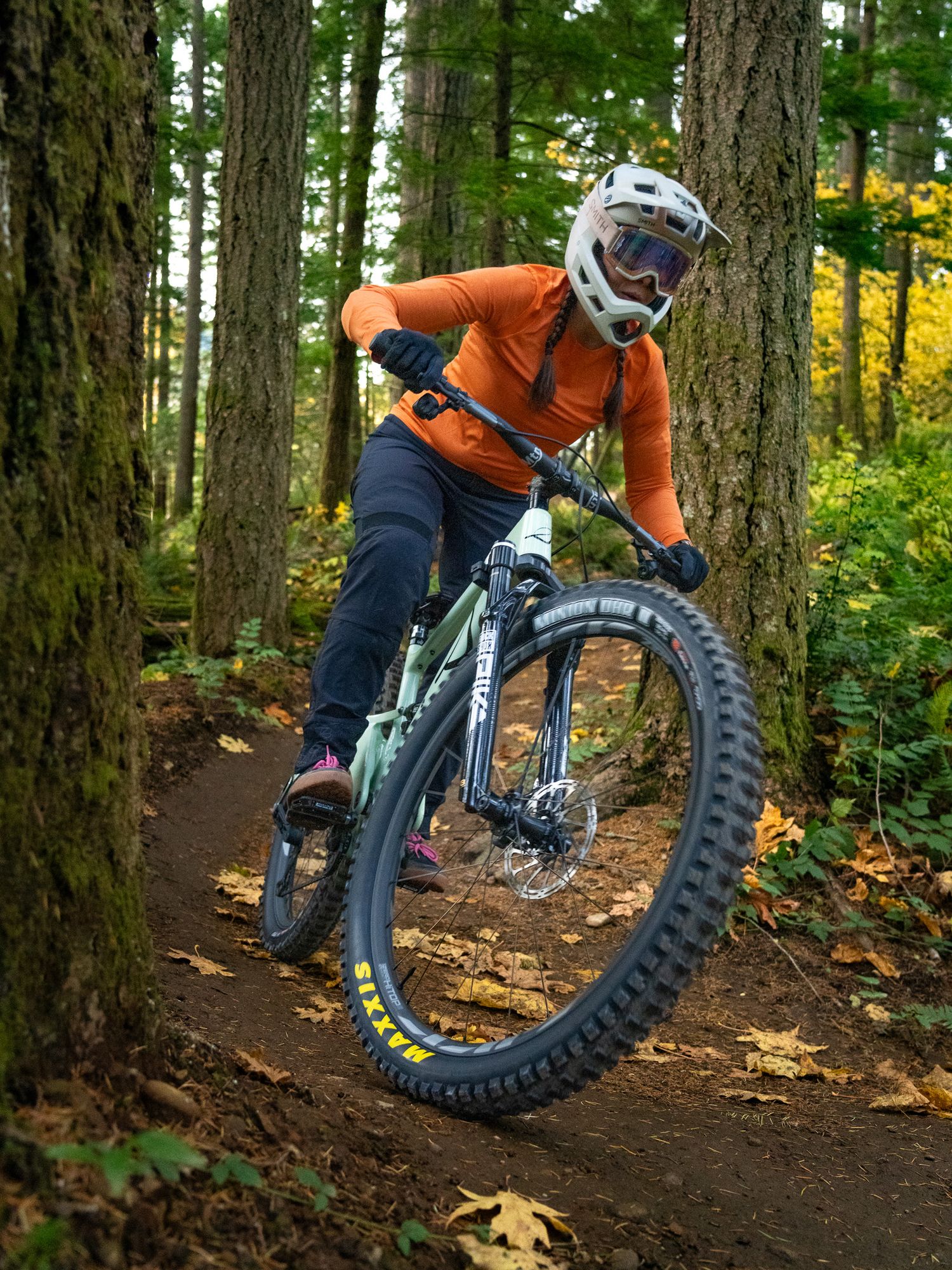
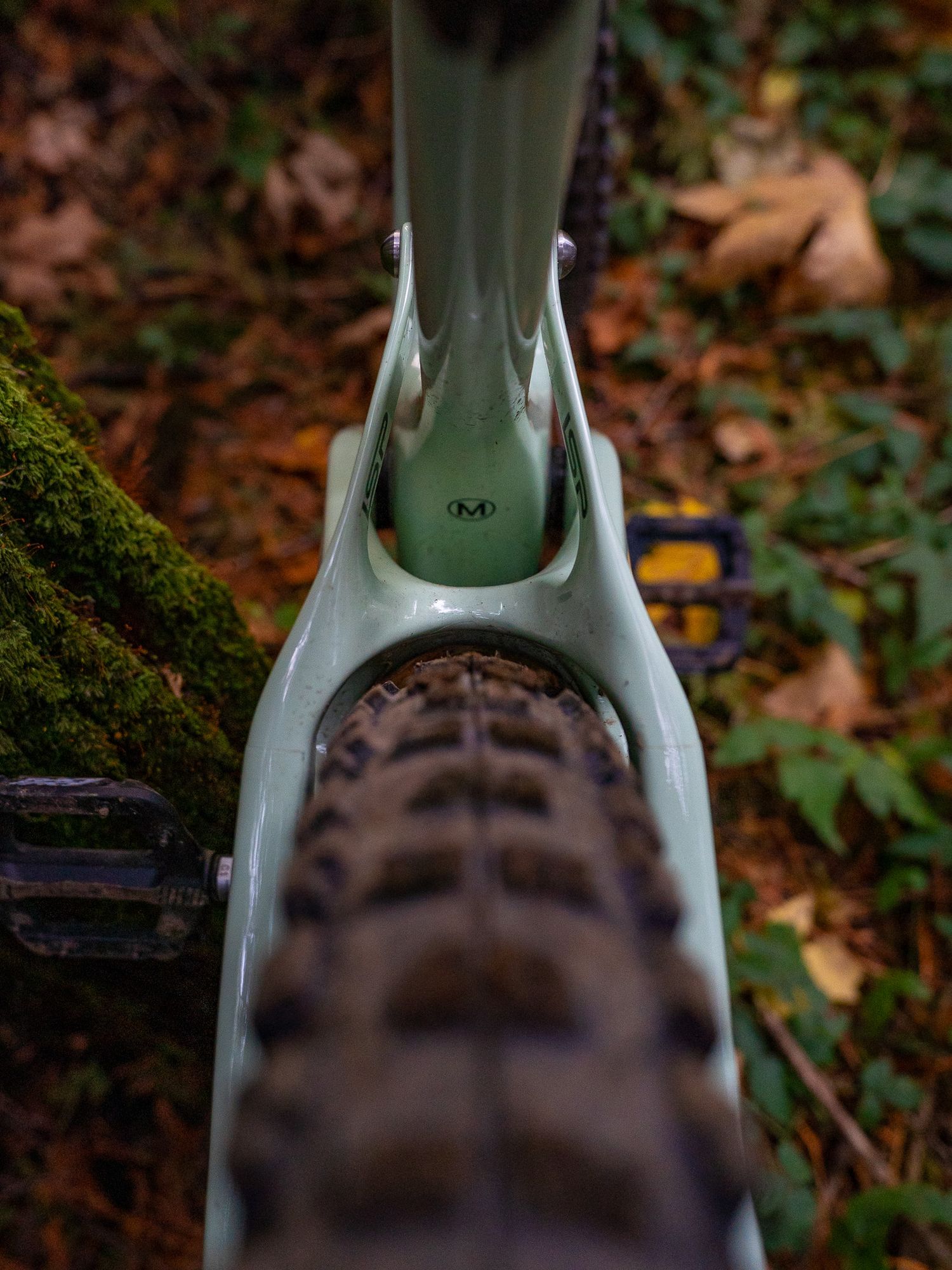
Over the past few weeks, I’ve been lucky enough to take part in the Lauf Cycles Elja Experience, testing out the Elja Trail Race Flight Attendant mountain bike. Our mission? Compare the stock 2.6" Goodyear Peak tires to a set of 3" tires that take full advantage of the Elja’s massive clearance–and determine which setup we prefer.
For context, my daily driver is a Transition Patrol with 160 mm of travel and 2.6” Schwalbe Magic Mary and Big Betty tires, so I’m used to plenty of squish. My home terrain is the one and only PNW–roots, loam, technical descents. A contrast to the more volcanic and crosscountry-oriented landscape of Iceland, Lauf Cycles’ home turf. Naturally, I was pretty curious to see how the Elja Trail bike, with a modest 120/130mm travel, would handle our unique terrain.
I’ll admit, I came into this test with some preconceived ideas. I’d never considered sizing up to a 3” tire on my mountain bike before, and I’ve always heard bigger tires mean more rolling resistance and sluggish climbs. Sure, lower pressures and larger contact patches can deliver impressive grip, but with the Elja Trail being a lightweight, shorter-travel bike, I never would have thought to pair it with plus-sized rubber. It felt counterintuitive to the bike’s purpose—light, fast, and leaning toward a cross-country vibe.
When it came to selecting which 3” tires to test, I quickly discovered the market isn’t exactly overflowing with choices (at least not yet). My main options were the similarly focused WTB Ranger or the burlier Maxxis Minion DHR II. The Rangers felt truer to the Elja’s fast-rolling personality, while the Minions catered to our Washington wet. After some back-and-forth, I settled on the Minions to best suit my home terrain.
the specs
2.6" Goodyear Peak
- Tubeless, 120 TPI
- Weight: 790g
- Pressure: 21 psi front, 22 psi rear
(Goodyear Pressure Calculator)
3" Maxxis Minion DHR II
- Tubeless, 120 TPI
- Weight: 1,110g
- Pressure: 17 psi front, 18 psi rear
(SRAM Pressure Guide)
The Experience
2.6" TIres
My first ride on the Goodyear tires was on a flow trail. The climbing was efficient and comfortable, as expected, and the bike felt light and nimble despite it being a full 29er (which generally feel like boats to me coming from a mullet geo). On moderate grades, I was plenty comfortable and felt the fast rolling-tread underfoot. But once I transitioned to steeper, more advanced terrain with variable dirt I started to find some downsides.
In loose dirt, I lost some trust in the braking capabilities of the lower profile knobs and the cornering was a bit too surfy for my comfort. On more technical terrain I felt bounced around and far less confident in tackling more complex features. I found myself hesitating on lines I’d normally plow through, for fear of getting bucked. At first, I wondered if this was simply the difference between a 120 mm travel bike and the 160 mm I’m used to–but switching to the 3” tires later proved that wasn’t entirely the case. While the Peaks’ fast-rolling and lightweight personality tried to shine, I found my actual speed decreasing due to a lack of confidence in their grip and absorption.
3" Tires
As soon as I had the 3” tires installed, I laughed. The sheer size of them seemed comically huge. However, once I hopped on the bike I was surprised to find no obvious increase in rolling resistance. Despite the added weight, the bike climbed just as comfortably and quickly, and it still felt plenty nimble.
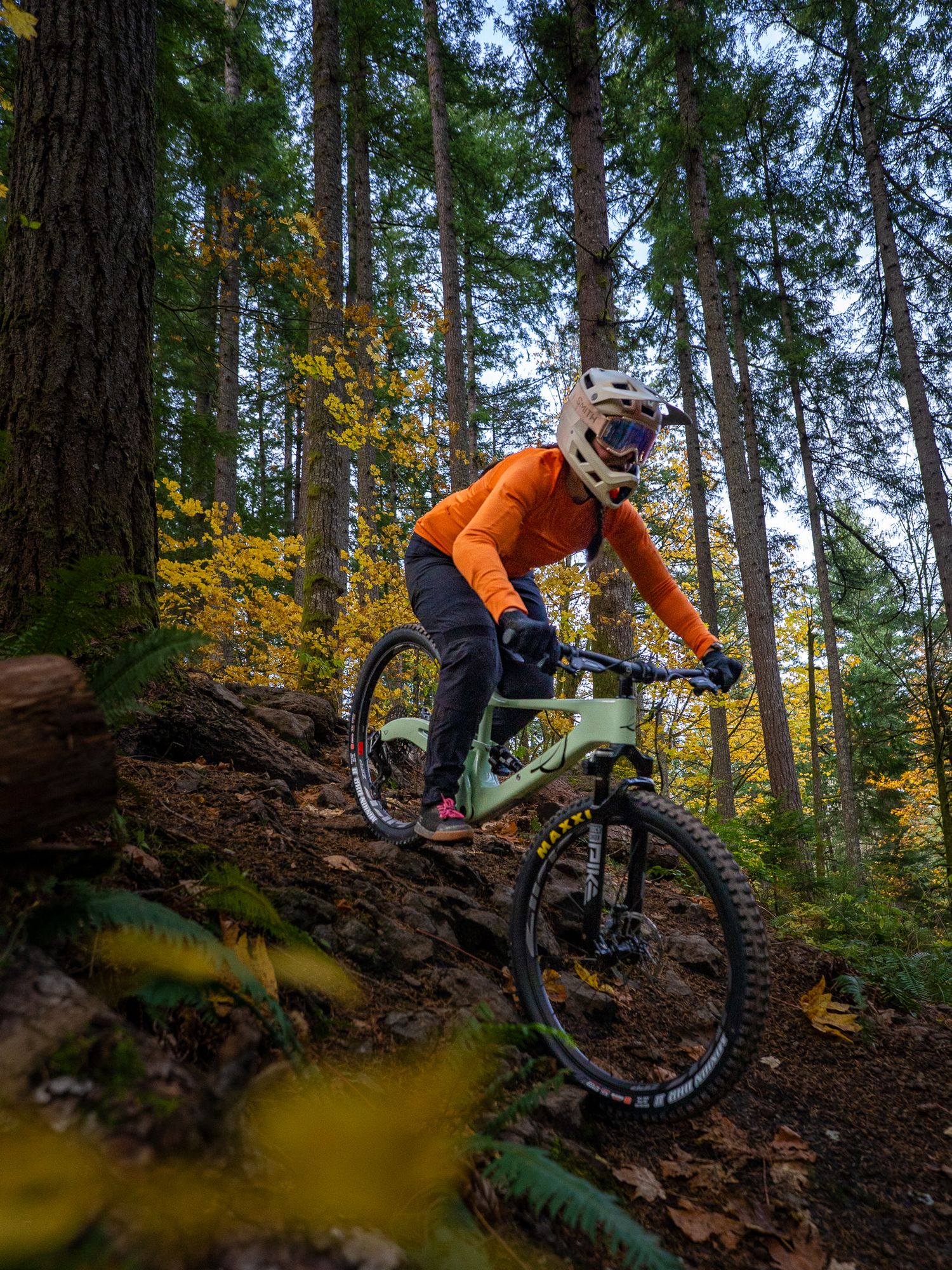
While the tire width didn’t show much difference on the uphill, the real distinctions were revealed the moment I pointed the bike down some classic PNW tech. The Maxxis tires soaked up roots and rocks effortlessly, making the bike feel like it suddenly gained extra travel. Cornering felt locked-in, traction was all-time, including on loose surfaces. It felt controlled and predictable thanks, in part, to lower tire pressure. I was sold.
The Conclusion
While this comparison is based on subjective trail experience rather than controlled, scientific testing, my hope is for this to encourage a bit of open-mindedness toward wider tires so you can try them for yourself. I expected the 3” tires to feel sluggish and heavy, but instead found a dramatic increase in confidence on a lower-travel bike–and a setup that was far more fun for me than the 2.6” tires.
The 2.6” Goodyears absolutely have their place: they’re fast, light, and ideal for firmer cross-country trails where efficiency is everything. But in classic PNW terrain, the 3” Maxxis tires truly shined. From my perspective, any theoretical loss in speed from weight or rolling resistance was regained by the boost in traction, comfort, and capability on technical features.